
Table of Contents
Introduction
With so many iptv providers available in 2026, finding the right one for your needs has never been more important — or more confusing. The internet television market has exploded, with dozens of services competing for your subscription. Some deliver exceptional quality, broad channel libraries, and rock-solid uptime. Others fall short in ways that only become clear after you’ve already paid.
This guide helps you cut through the noise. You’ll learn exactly what separates reliable iptv-providers from unreliable ones, which features matter most, how pricing works, and what questions to ask before committing to any service. Whether you’re a first-time cord-cutter or upgrading from a previous provider, this is your complete 2026 reference.
Users should comply with local laws and licensing regulations when selecting and using any internet television service.
What IPTV Providers Actually Deliver
Before comparing iptv providers, it helps to understand what the technology actually does. IPTV — Internet Protocol Television — delivers live and on-demand video content through your broadband connection rather than via cable, antenna, or satellite dish.
When you subscribe to one of the many iptv-providers on the market, you gain access to a stream of channels hosted on remote servers. Your device — whether a smart TV, smartphone, tablet, or media player — sends a request each time you tune in, and the server responds by streaming that content directly to your screen.
This architecture gives iptv providers enormous flexibility. Unlike traditional broadcasters, they can offer channels from dozens of countries, update their libraries frequently, and support a wide range of devices without any physical infrastructure changes. The trade-off is that everything depends on your internet connection speed and the provider’s server reliability.
Key Qualities That Separate Good IPTV Providers from Bad Ones
Not all iptv providers operate at the same level. These are the qualities that genuinely matter when evaluating any service:
Server uptime and stream stability. The single most important metric. Premium iptv providers maintain high uptime even during peak hours — think major sporting events or primetime evenings when thousands of users are streaming simultaneously. A provider that buffers or drops streams under load is not worth the cost.
Channel count and content variety. Volume matters, but so does relevance. The best iptv-providers offer a well-organized library that covers live news, entertainment, international channels, and sports content across multiple languages and regions.
Electronic Programme Guide (EPG) quality. A reliable, accurate EPG makes the service feel like proper television rather than a raw list of streams. Look for providers whose EPG updates in real time and covers at least 7 days of scheduling.
Video on Demand (VOD) library. Beyond live channels, strong iptv-providers include a VOD section with films and series you can watch at any time — significantly increasing the value of the subscription.
Multi-device and multi-connection support. Households need flexibility. The best iptv-providers support simultaneous streams on multiple devices under one account, and their apps or IPTV-compatible players work across Android, iOS, smart TVs, and desktop.
Customer support responsiveness. When something breaks, you want a quick resolution. Reputable iptv providers offer responsive support channels — live chat, ticketing systems, or detailed documentation — rather than leaving subscribers to figure things out alone.
IPTV Providers Pricing: What to Expect in 2026
Pricing among iptv providers varies widely, and understanding the structure helps you avoid overpaying or being misled by artificially low offers.
Monthly plans are the most flexible. Most established iptv providers charge between €5 and €20 per month for a standard subscription, with higher tiers unlocking more simultaneous connections, larger VOD libraries, or premium channel packages.
Quarterly and annual plans typically offer significant discounts — often 30–50% compared to the monthly rate. These are worthwhile once you’ve tested a provider and confirmed quality over time, but committing long-term without a trial period is a risk worth avoiding.
Free trials and money-back guarantees are strong signals of provider confidence. Legitimate iptv providers offer 24–48 hour trials or short refund windows so subscribers can evaluate quality firsthand before any real commitment is required.
Hidden fees are a red flag. Transparent iptv providers clearly list what’s included in each plan — device limits, stream quality caps, and VOD access — without burying restrictions in fine print.
Content availability may vary by region regardless of provider.
How to Test IPTV Providers Before Committing
Taking a structured approach to testing iptv providers saves both money and frustration. Here’s a practical evaluation process:
Start with the trial period. Use the free or low-cost trial every reputable provider offers. Don’t just watch one or two channels — stress-test the service across multiple content types: a live sports stream, a news channel, an HD movie from the VOD library, and an international channel if that matters to you.
Test at peak times. Many iptv providers perform well during off-peak hours but struggle under load. Test during prime time evenings and during a major live event if possible. This reveals the true capacity of the provider’s infrastructure.
Check EPG accuracy. Scroll through the programme guide and verify that listings match what’s actually playing. Inaccurate EPG data suggests poor maintenance, which often extends to other aspects of the service.
Evaluate the player or app experience. The quality of the interface matters for daily use. A well-designed app from a serious provider loads quickly, organizes content clearly, and handles channel switching without long delays.
Contact support once. Send a simple question to the support team during your trial. Response speed and quality tell you a lot about how a provider treats paying subscribers when real problems arise.
IPTV Providers and Device Compatibility
One of the biggest advantages iptv providers have over traditional television is broad device support. Understanding how compatibility works helps you choose a provider that fits your existing setup.
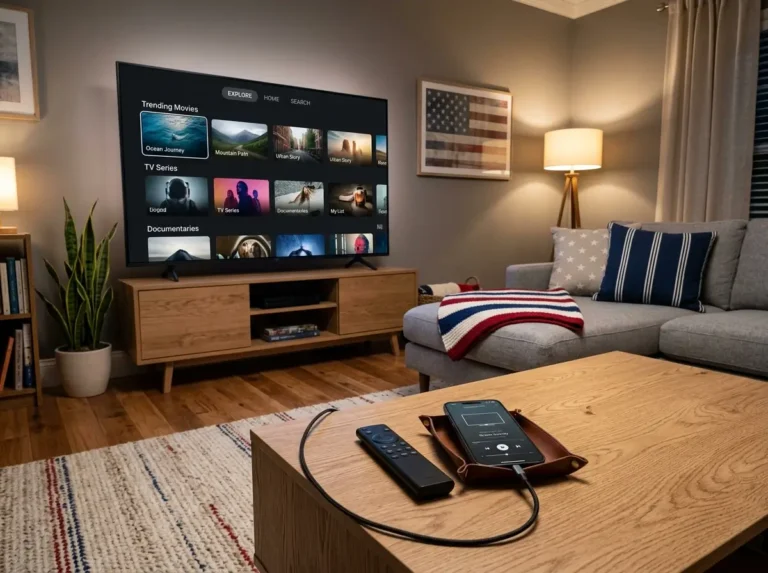
Smart TVs are the most popular device for IPTV. Many modern smart TVs support IPTV directly through manufacturer app stores, while others require a dedicated IPTV player application. Most established iptv providers supply detailed setup instructions for the most common TV brands.
Android and iOS devices are universally supported. Smartphones and tablets can run IPTV player apps that accept the provider’s M3U playlist or Xtream Codes credentials, enabling streaming anywhere with a data or Wi-Fi connection.
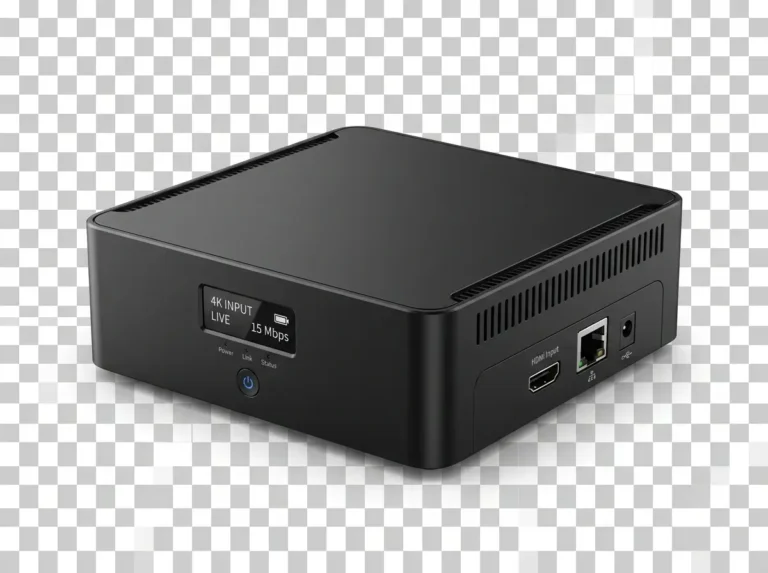
Media streamers and set-top boxes — such as Android-based TV boxes — are popular among dedicated IPTV users because they combine smart TV functionality with more processing power and storage, resulting in smoother performance from iptv providers’ streams.
Desktop and laptop computers can access most services through web-based players or downloadable IPTV applications, making it easy to watch on a secondary screen.
Use only authorized content sources and compatible, legitimate IPTV player applications when accessing any provider’s service.
IPTV Providers — Frequently Asked Questions
What is the difference between IPTV providers and regular streaming services?
Standard streaming platforms like subscription video services offer only on-demand content from their own libraries. IPTV providers deliver live television channels alongside on-demand content, replicating the experience of traditional cable or satellite TV — but delivered entirely over the internet.
Do IPTV providers require a contract?
Most reputable iptv-providers operate on flexible monthly subscriptions with no long-term contract. Annual plans are available for discounts but are typically optional.
How many devices can I use with one subscription?
This varies by provider and plan. Entry-level subscriptions typically allow one simultaneous connection, while premium plans support two to five streams under a single account.
Will IPTV providers work on my existing TV?
If your TV is a recent smart TV model, very likely yes. Older TVs can be upgraded with an inexpensive Android TV box or streaming stick to gain IPTV compatibility.
Is my internet speed sufficient for IPTV?
For HD streams, a minimum of 10–25 Mbps is recommended. For 4K content, 50 Mbps or more per stream ensures a smooth, buffer-free experience.
What should I do if a stream keeps buffering?
First check your internet speed and connection type — wired Ethernet is more stable than Wi-Fi for streaming. If your connection is adequate, contact the provider’s support team, as server-side issues may be the cause.
Conclusion: Choosing the Right IPTV Providers for 2026
The landscape of iptv providers in 2026 is rich with options, which means you have real choice — but also real responsibility to evaluate carefully. The right provider delivers consistent streaming quality, a broad and well-maintained channel library, honest pricing, and responsive support. The wrong one wastes your time and money.
Use trial periods, test at peak hours, verify EPG accuracy, and always contact support at least once before committing. These simple steps separate the reliable iptv-providers from those that underdeliver.
With the right choice made, internet television in 2026 offers a viewing experience that is more flexible, more affordable, and more global than anything traditional broadcasting has provided.

[…] I use an iptv usa service on my Roku or Amazon Fire TV Stick?Many iptv usa providers offer apps compatible with Fire TV Stick and similar devices. Roku’s more restricted app […]
[…] iptv suppliers sit between wholesale providers and end users. They operate under an agreement with a larger infrastructure provider, adding their […]