
Table of Contents
Introduction
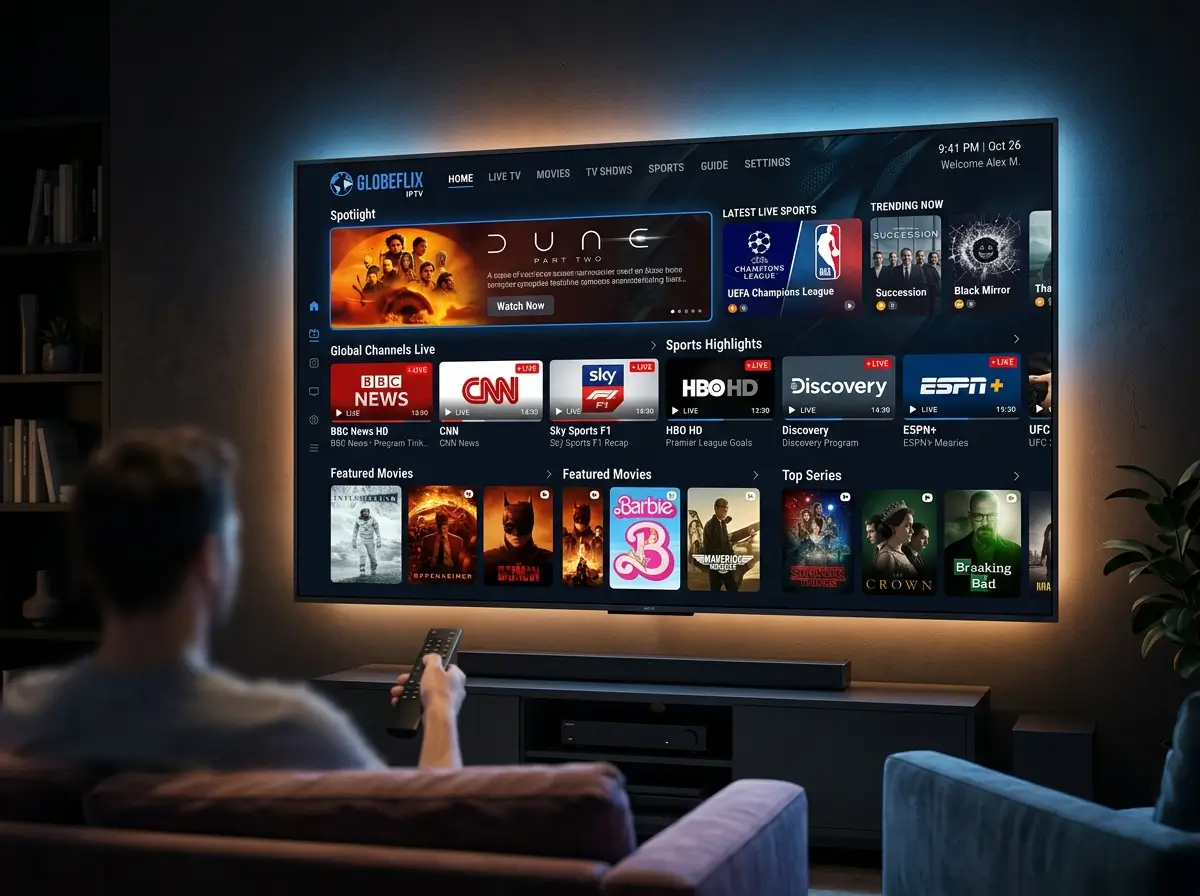
Choosing the right iptv service in 2026 is one of the most impactful decisions you can make for your home entertainment setup. Internet Protocol Television has fundamentally changed how people watch live television — moving away from cable boxes and satellite dishes toward flexible, internet-delivered viewing experiences that work across virtually every screen you own.
The number of options available has grown dramatically, and with that growth comes complexity. Not every iptv service delivers on its promises. Quality varies widely in terms of channel availability, streaming stability, device support, and value for money. Knowing what to look for before you subscribe saves time, frustration, and money.
This guide covers the full picture: how an iptv service works, what features define a quality provider, how to evaluate and set up a service, tips for getting the most from your subscription, and answers to the questions most viewers ask before making their choice.
Users should comply with local laws and content licensing regulations when selecting and using any iptv service.
What an IPTV Service Is and How It Works
An iptv service delivers live and on-demand television content through your broadband internet connection. Rather than receiving broadcast signals through a cable or satellite infrastructure, all video content is transmitted as data packets — the same way a website or email reaches your device.
When you subscribe to an iptv service, you gain access to a hosted platform that streams channels and content from remote servers. You select a channel or programme, your device sends a request, and the server responds by delivering that video stream directly to your screen in real time.
This architecture gives every iptv service several inherent advantages over traditional television. Content libraries can be updated instantly. Channels from dozens of countries can be included without additional hardware. The same subscription can serve multiple devices — a television in the living room, a tablet in the bedroom, a smartphone on the commute — all from a single account.
The experience depends primarily on two things: your internet connection quality and the infrastructure quality of the iptv-service itself. A fast, stable broadband connection paired with a well-maintained provider delivers a viewing experience that rivals — and in many respects surpasses — traditional broadcast television.
Key Features That Define a Quality IPTV Service
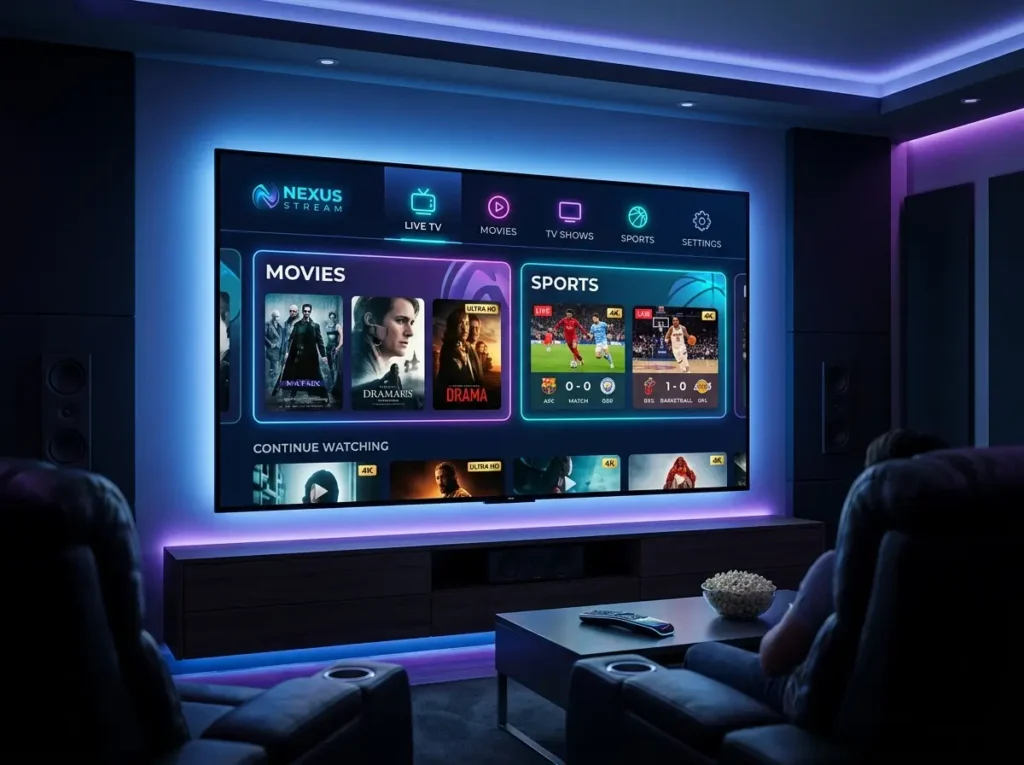
Not all providers are equal. When evaluating any iptv service, these are the features and qualities that genuinely separate reliable platforms from disappointing ones.
Channel library depth and organization. A strong iptv service offers a broad channel selection covering live news, sports, entertainment, and international content across multiple languages. Equally important is how that library is organized — a well-structured channel guide with accurate categories makes daily navigation significantly easier.
Stream stability and uptime. This is the single most important technical quality of any iptv service. High uptime during peak hours — including major live sports events when server load is greatest — is the mark of a provider that has invested seriously in infrastructure. Buffering and dropped streams during peak times indicate an underpowered backend.
Electronic Programme Guide (EPG). A functional, accurate EPG transforms a raw list of streams into a proper television experience. Look for an iptv service whose EPG updates in real time, covers at least 7 days of scheduling, and accurately reflects what is actually playing on each channel.
Video on Demand (VOD) library. Beyond live channels, quality iptv-service subscriptions include an on-demand section where subscribers can watch films and series at any time. A large, regularly updated VOD library substantially increases the value of the subscription.
Catch-up TV. This feature allows viewers to watch content that aired hours or days earlier — removing the need to schedule viewing around broadcast times. It is increasingly standard among premium iptv service providers.
Multi-device and multi-connection support. Households need flexibility. The best iptv-service subscriptions support simultaneous streaming on two or more devices under a single account, and the apps or players work consistently across smart TVs, Android, iOS, and desktop platforms.
Trial periods. A reputable iptv service is confident enough in its quality to offer a short trial or satisfaction window. This allows subscribers to evaluate performance across different content types and at different times of day before committing to a longer subscription.
How to Set Up an IPTV Service on Your Devices
Getting started with an iptv service is straightforward once you’ve chosen a provider. The setup process varies slightly by device type, but the core steps are consistent.
Step 1 — Choose and subscribe. Select your iptv service and complete the subscription process. Most providers deliver credentials — a username and password, or an M3U playlist URL — immediately after payment.
Step 2 — Install a compatible app or player. Many providers offer dedicated apps for smart TVs, Android, and iOS. If a dedicated app isn’t available, a third-party IPTV player application that accepts M3U playlists or Xtream Codes credentials will work with virtually any iptv service.
Step 3 — Enter your credentials. Open the app or player, navigate to the settings or add-playlist section, and enter the URL or login details provided by your iptv-service. The application will load your full channel list and VOD library automatically.
Step 4 — Optimize your connection. For the smoothest experience, a wired Ethernet connection is preferred over Wi-Fi. If using Wi-Fi, a 5GHz network significantly reduces the risk of interference and buffering. Most iptv-service providers recommend a minimum of 25 Mbps for HD streams.
Step 5 — Explore and personalize. Browse the EPG, build a favorites list from your most-watched channels, and test the VOD library. Most apps allow you to sort and filter content to make the library easier to navigate.
Getting Maximum Value from Your IPTV Service Subscription
Subscribing is only the first step. These practical tips help you extract the most value from any iptv service you choose.
Test during peak hours before committing long-term. An iptv service that performs well at 2pm may struggle significantly at 8pm or during a major live event. Always evaluate performance when server load is highest before switching from a monthly to an annual plan.
Use a VPN selectively. Some subscribers use a VPN alongside their iptv service for privacy or regional access. A VPN can reduce streaming speeds, so choose a high-performance VPN server located close to your region if you use one. Content availability varies by location regardless of VPN use.
Keep your app updated. IPTV player applications release regular updates that improve stability, fix playback bugs, and add new features. Always run the latest version to ensure the best experience with your iptv-service.
Choose the right package for your habits. Many iptv service providers offer tiered plans. If your viewing centers on a specific category — sports, international content, or entertainment — a focused package may offer better value than a large all-inclusive plan with channels you’ll never watch.
Check your router settings. For households streaming on multiple devices simultaneously, ensuring your router prioritizes video streaming traffic through Quality of Service (QoS) settings can meaningfully improve stability across all devices.
IPTV Service vs. Traditional Cable and Satellite Television
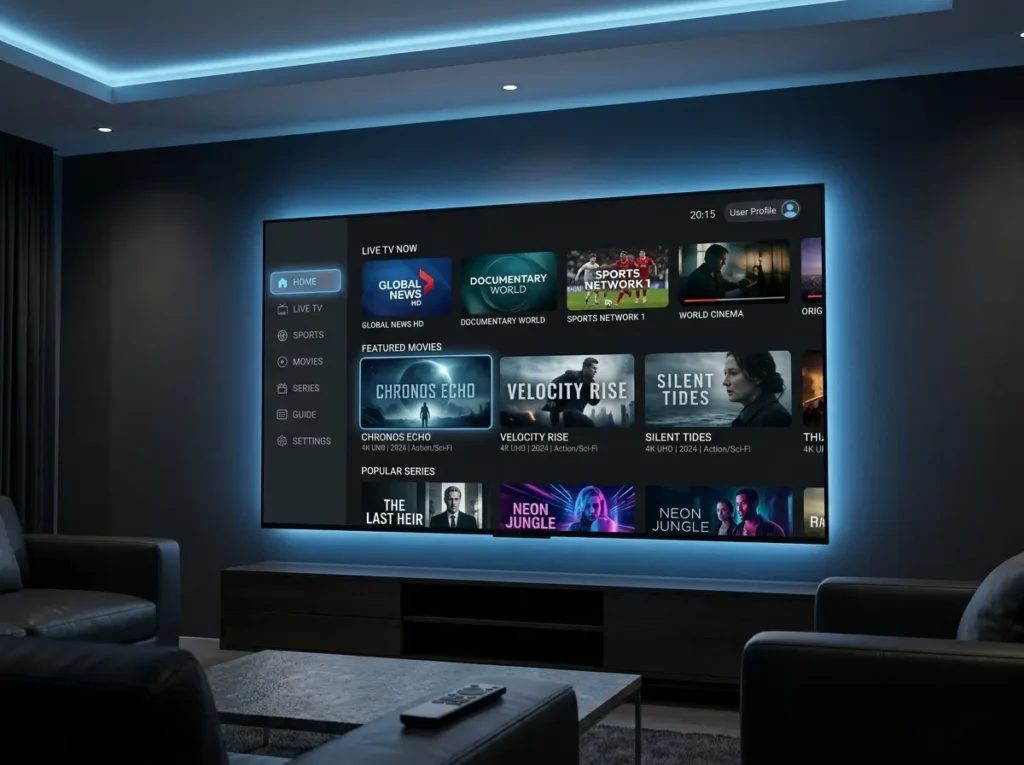
The shift from cable and satellite to iptv service subscriptions has accelerated steadily, and the reasons are compelling for most households.
Cost is the most immediate difference. An iptviservice subscription typically costs a fraction of a comparable cable package, often delivering more channels and content at significantly lower monthly expense.
Flexibility is the second major advantage. Cable and satellite contracts often lock subscribers in for 12–24 months. Most iptv service providers operate on monthly subscriptions with no long-term commitment — cancel or change plans at any time.
Global content access is where an iptv-service has no traditional competitor. Internet television is not geographically restricted the way broadcast signals are. Viewers can access channels from dozens of countries within a single subscription — a major advantage for multilingual households and expatriates.
On-demand integration is seamless with IPTV. Rather than managing separate subscriptions for live television and on-demand content, an iptv-service combines both in a single interface and single monthly cost.
The primary trade-off is internet dependency. Unlike cable or satellite, an iptv-service requires a reliable high-speed internet connection. Poor connectivity directly impacts stream quality. For most households in 2026 with broadband access, this is a non-issue — but it is worth confirming before making the switch.
IPTV Service — Frequently Asked Questions
What internet speed do I need for an iptv service?
For HD streams, a minimum of 10–25 Mbps is recommended per stream. For 4K content, 50 Mbps or more per stream ensures buffer-free playback. Multiple simultaneous streams require proportionally higher bandwidth.
Can I use an iptv service on multiple televisions?
Yes, provided your subscription includes multiple simultaneous connections. Most mid-tier and premium plans support two or more concurrent streams under one account.
What happens if my internet goes down?
An iptv service requires an active internet connection. If connectivity is interrupted, streaming pauses until the connection is restored. This is the fundamental difference from traditional broadcast television.
Is an iptv service compatible with my smart TV?
Most modern smart TVs support IPTV either through a provider’s dedicated app or via third-party IPTV player applications available in the TV’s app store. Older TVs can be upgraded with an Android TV box to gain compatibility.
How do I know if an iptv service is reliable?
Test the service during a trial period at peak viewing times — evenings and during major live events. A reliable provider maintains stream quality and uptime even under high load. Unreliable services show buffering and disconnections precisely when demand is highest.
Are there long-term contracts with an iptv service?
Most providers offer flexible monthly plans. Annual subscriptions are typically available at a discount for subscribers who have already confirmed quality through a trial period.
Conclusion: Finding the Right IPTV Service for Your Household
The right iptv service is the one that matches your content priorities, device ecosystem, household size, and budget. There is no single universal best option — but with the right evaluation approach, finding a provider that delivers consistent quality is entirely straightforward.
Always take advantage of trial periods. Test stream stability at peak hours. Verify device compatibility and EPG accuracy before committing. And choose the subscription tier that genuinely matches how you watch — not the largest package available.
In 2026, the iptv-service market is competitive and mature. That competition works in your favor: providers are continuously raising their standard to earn and keep subscribers. With the right choice made, internet television offers a viewing experience that is more flexible, more affordable, and more global than traditional broadcasting has ever provided.
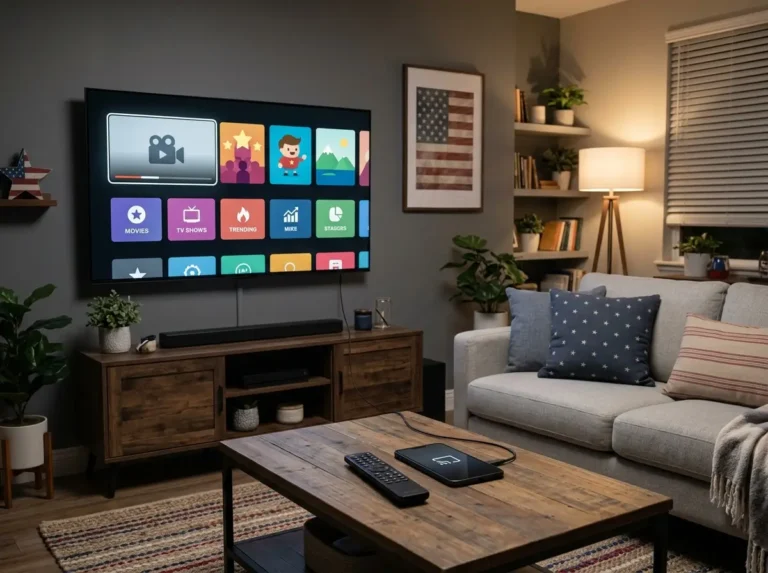

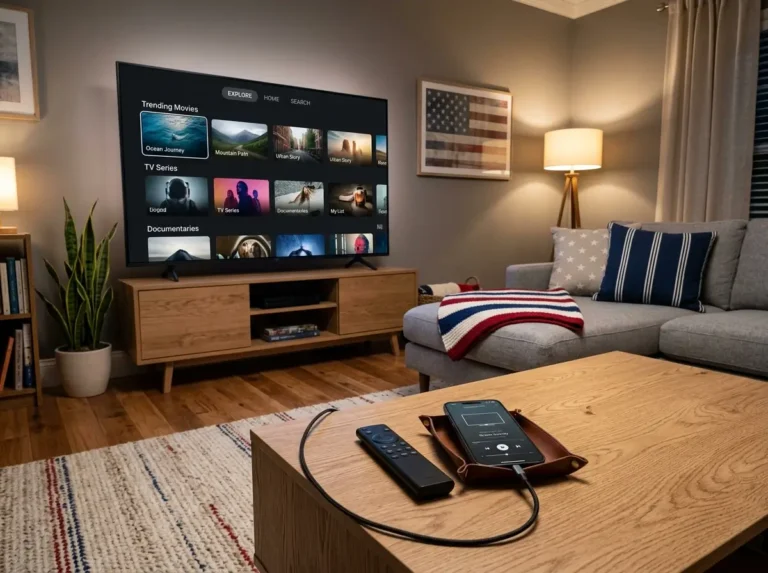
[…] up an iptv usa service in your home is a straightforward process that most viewers complete in under 20 […]